
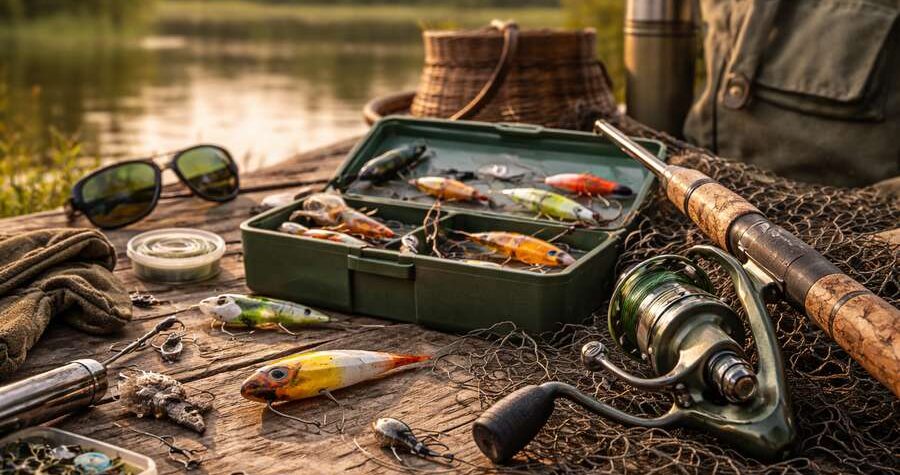
Fishing can be one of the most relaxing and fulfilling hobbies. As anyone who has spent time casting a line knows, well-maintained gear can make a significant difference. Think about it: a reliable rod, a sturdy reel, and sharp hooks can enhance the experience, while worn-out equipment can turn a day out on the water into a frustrating affair. So, if you’re looking to keep your fishing gear in great shape for years to come, you’re in the right place.
Let’s explore how you can ensure your fishing equipment stays ready for your next adventure!
Maintain Your Rods
Taking care of your fishing rods is more straightforward than you might think. First, properly storing them can significantly extend their longevity. When you’re not using them, keep them upright in a rod holder or rack to avoid bending or breaking. If you’re transporting them, it’s wise to use a protective tube, especially for delicate fishing waders. These rods can be particularly sensitive and, therefore, require special attention. A little extra caution can go a long way to avoid damage.
After each trip, give your rods a quick inspection. Check for any visible signs of wear, such as cracks in the fiberglass or missing guides. Rinse them off in fresh water to remove any salt or grime; this simple step can help prevent corrosion and other long-term damage. A clean rod not only looks good but feels good too. After all, you want the best performance when you’re out fishing.
Care for Your Reels
Fishing reels are one of the most critical components of your setup. To keep them performing optimally, regular maintenance is essential. Start by rinsing your reels with fresh water after each use, especially if you’ve been fishing in saltwater. Salt can cause significant corrosion, so you can’t be too careful. After rinsing, dry them thoroughly and apply a drop or two of reel oil to the moving parts, ensuring smooth operation next time you cast your line.
Also, pay attention to the line on your reel. Regularly check for any frays or knots, and don’t hesitate to replace the line if it shows signs of wear. A good practice is to change your fishing line at the beginning of each season. Fresh line helps avoid breakage and improves your chances of landing that prized catch.
Hook Up with Sharp Hooks
Fishing hooks can dull over time, reducing your chances of success when you do hook a fish. Inspect your hooks regularly, and sharpen them as needed. A hook file is a simple tool that can make this task easy. Just a few strokes can renew the hook’s edge, giving it the ability to pierce the fish’s mouth with ease.
If you find that hooks are too rusted or damaged to sharpen, replace them. Keep a selection of different sizes and types in your tackle box. This way, you’re ready for whatever you may encounter. Remember, a sharp hook not only improves your fishing experience but also helps in catch and release practices if you’re fishing for sport.
Store Your Tackle Carefully
Your tackle box is the heart of your fishing gear, and keeping it organized will save you time and make your outings more enjoyable. Start by sorting your tackle by type, such as lures, weights, and tools. This organization allows quick access when you need to switch gears quickly while on the water.
Make sure to check the condition of your lures before each trip. If you notice worn-out paint, dangling hooks, or broken attachments, it’s time to replace them. Keeping your tackle in a dry environment can prevent rust and deterioration, which ultimately impacts their effectiveness. A little organization goes a long way, keeping distractions at bay when you’re trying to focus on that perfect catch.
Protect Your Fly Fishing Gear
When it comes to fly fishing, your gear can be particularly sensitive. Fly rods, reels, and flies all require specific care. After a day of fishing, make sure to rinse the fly line and reel with fresh water to eliminate dirt and debris. This step ensures longevity, as dirt can wear down line coatings and cause unwanted tangles.
Store your flies in a proper fly box to keep them organized and dry. If they’re wet after fishing, lay them out to dry before putting them back in the box. This prevents rust and prolongs the life of your flies. Additionally, consider using padded sleeves for your fly rods when not in use, protecting them from damage during transport.
Take Time to Prepare
Taking time to care for your fishing gear pays off in spades. Regular maintenance not only helps improve your fishing experience but also saves you money in the long run. Whether you’re reinforcing your rods, cleaning your reels, or organizing your tackle box, each step contributes to a more successful fishing outing.
What really stands out is how a few simple actions can prolong the life of your gear and enhance your time on the water. So, next time you’re packing for a fishing trip, remember that a little care goes a long way. Happy fishing!